
If you’ve ever found yourself wondering how to motivate a friend or family member to give plantbased eating a shot, you’re definitely not alone.
Switching up familiar habits can be challenging, and the idea of saying goodbye to favorite dishes might make anyone hesitate.
I’ve spent a good bit of time helping loved ones see the fun, and flavor, in eating more plants, and I’ve picked up quite a few strategies that actually work.
From practical tips to understanding common roadblocks, here’s how I make plantbased eating more inviting for those closest to me.
Getting Familiar with PlantBased Eating
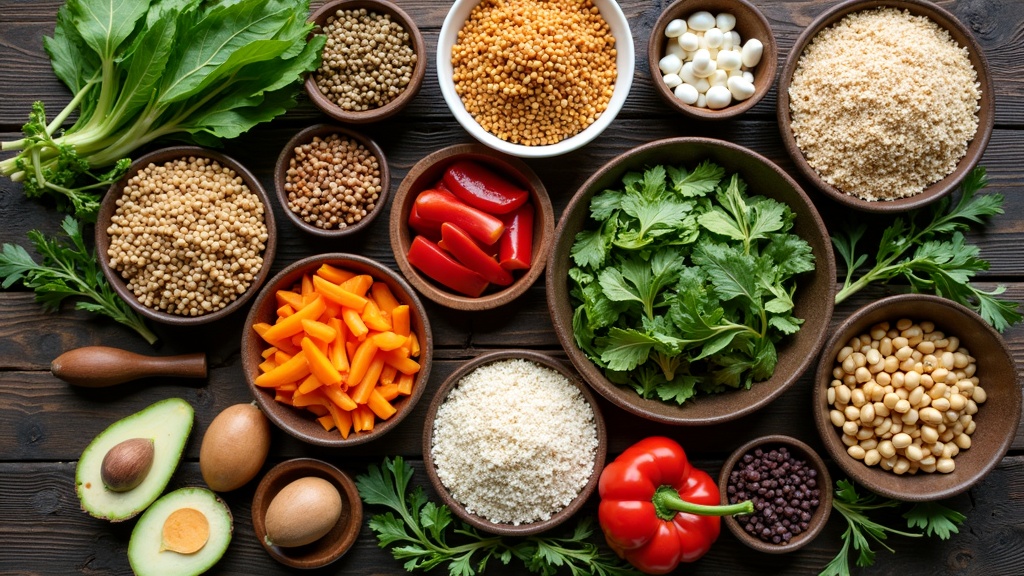
Plantbased eating revolves around making fruits, vegetables, whole grains, nuts, seeds, and legumes the foundation of meals.
It doesn’t always mean cutting out animal products completely; often, it just means swapping out meat or dairy more often for plant foods.
For many, this makes the switch a lot less intimidating and allows for some flexibility while still focusing on health and variety.
This style of eating comes with a ton of perks.
Research links plantbased eating to better heart health, a lower risk of certain diseases, and even lower grocery bills when meals focus on beans, grains, and seasonal produce.
For those who care about the environment, eating more plants also helps reduce carbon footprints.
When I share these benefits in simple, relatable terms, like “you could be saving money and feeling better after lunch,” it honestly tends to spark more interest than focusing on what they’ll miss out on.
Another thing that helps people warm up to plantbased eating is reminding them that it’s not about being perfect, but about enjoying new foods and feeling good.
Sometimes all it takes is one truly tasty meal to change someone’s entire outlook on eating plants, making it much easier for them to see what all the fuss is about.
How to Start the Conversation About PlantBased Foods
Introducing this idea works a lot better as a casual chat rather than as a big announcement.
I like to keep things positive and meet people where they are.
Rather than laying out rules or lists of dos and don’ts, I just share something I learned or cooked recently.
For example, “I tried a lentil taco recipe, and you’d never know it wasn’t beef!”
- Keep the conversation light: Let your excitement show naturally, but don’t put pressure on them. Share your favorite plantbased meal or swap, and invite them to ask any questions they might have.
- Focus on what they love: If your loved one is obsessed with pasta, talk about a simple marinara with chickpeas. If burgers are their thing, mention all the different veggie burgers you’ve enjoyed.
- Listen to their concerns: Maybe they’re worried about missing cheese or not getting enough protein. Let them voice any hesitation; knowing their perspective helps you come up with better support.
I also like to mention how I started personally: small steps, easy swaps, and plenty of flexibility.
People appreciate knowing they don’t have to overhaul everything at once.
Practical Steps for Encouraging PlantBased Choices
Making it easy is key.
Anyone will feel more comfortable trying something new if it doesn’t mean tossing out everything familiar overnight.
Here are a few steps I always find helpful:
- Start with One or Two PlantBased Meals a Week: Suggest a “Meatless Monday” or offer to cook an easy plantbased dinner together. Simple, delicious food makes it a whole lot less overwhelming.
- Help with Substitutes: Try swapping beans or lentils into favorite recipes, so the change is barely noticeable. Pasta with lentil Bolognese or tacos with black beans keep those beloved flavors on the table.
- Introduce Tasty Alternatives: The range of nondairy milks, vegan cheeses, and plantbased yogurts is vast. Trying a few options makes it fun to stumble upon something new to love.
- Share Inspiring Resources: Sending easy recipes or social pages with mouthwatering plantbased dishes can give just the spark someone needs to try it for themselves.
- Make it Social: Trying new foods together takes the pressure off. Potlucks, picnics, or even virtual recipe swaps are fun ways to explore as a group and keep the experience positive.
Encouraging small changes rather than sweeping ones helps build confidence and curiosity.
I’ve noticed that inviting someone to just one new meal, rather than a week of changes, is often much more successful.
Common Roadblocks (And How to Handle Them)
I’ve run into quite a few classic concerns, and knowing how to handle them really smooths the way.
Here are some frequent worries, and realistic ways to respond:
- “It’s too expensive”: Beans, rice, frozen veggies, and oats are usually budgetfriendly. Breaking down the cost of homemade plantbased meals makes the savings clear.
- “Will I get enough protein?”: Lentils, chickpeas, tofu, nuts, and even greens are loaded with protein. I like to share a chart or a sample meal plan to show how simple it is to meet those needs.
- “I’ll miss my favorite foods”: Most comfort foods—like chili, pizza, or even mac and cheese—can go plantbased with a few tweaks. Sharing swaps that work keeps things familiar and tasty.
- “It sounds complicated”: While some recipes online are definitely complicated, starting with quick stews, simple stirfries, and easy sandwiches helps keep things approachable.
Handling Social Situations and Family Gatherings
Group gatherings or holidays can be tricky for anyone making changes.
If a loved one feels nervous about joining in, I offer to bring a couple of dishes to share—this way, everyone can try them and the table feels full.
It’s also totally fine to blend plantbased dishes in with the usual favorites, so nobody feels left out.
Tips for Making PlantBased Food Genuinely Appealing
Taste is everything.
Cooking with fresh herbs, spices, and flavorful sauces transforms any plantbased dish.
Here are the tricks I trust (and recommend to others too):
- Spice it up: Spices and condiments pump up the flavor and make even simple beans or veggies shine. I always keep taco seasoning, curry powder, and hot sauce nearby.
- Texture is key: Crunchy nuts, crispy chickpeas, or creamy avocado bring excitement to every bite.
- Explore global flavors: Dishes from around the world—like Thai curries, Mexican bean bowls, or Mediterranean salads—are often plantbased by default and deliver big on taste.
When food is full of color, texture, and flavor, people tend to see plantbased eating as nextlevel cool rather than restrictive.
I find that sharing a colorful meal, like a rainbow grain bowl or a loaded veggie taco, can win over even the most skeptical eaters.
Things to Keep in Mind When Supporting Loved Ones
Patience and support go a long way.
Changing longtime eating habits is rarely a snap decision.
Celebrating small wins—like one plantbased breakfast or even trying a new vegetable—helps keep everyone motivated.
Staying positive instead of using guilt means the experience is enjoyable, not stressful, for everyone.
Basing suggestions on what your loved one already enjoys helps make new foods less intimidating.
If someone loves Thai cuisine, invite them to try a coconut milk curry with tofu.
Meeting people in their comfort zone beats pushing unfamiliar ideas.
Handling Setbacks or Reluctance
It’s normal for people to slide back into old routines or feel unsure.
If a plantbased meal doesn’t hit the mark, treat it as part of trying new things, not a failure.
Let your friends and family know there’s no rush.
Sometimes just letting a new idea marinate leads to real change later on.
Frequently Asked Questions
Curiosity leads to good questions. Here are some that pop up all the time, plus how I usually respond:
Question: What’s the easiest way to get started with plantbased eating?
Answer:
Swapping one meal a day or a few meals each week is simple and not overwhelming.
Try oatmeal with fruit for breakfast or a veggie stirfry for dinner to start off easy.
Question: Are plantbased foods filling enough?
Answer:
Definitely.
Meals based on beans, whole grains, and healthy fats like nuts or avocado keep you full for hours.
Adding crunchy veggies and plenty of proteinrich foods helps too.
Question: How do you handle family traditions based around meat or dairy?
Answer:
Put a twist on favorite dishes by making them plantbased.
Offer to bring sides like roasted vegetables, whole grains, or a hearty salad so everyone can taste something new without missing out on tradition.
Why Encouraging PlantBased Eating Is Worth It
Helping loved ones check out plantbased eating isn’t just about what’s on the plate—it’s about spending time together, finding new favorites, and feeling just a bit better every day.
With encouragement, patience, and mouthwatering meals, anyone can start stumbling upon how rewarding plantbased eating can be.
No matter if your loved ones take the leap right away or prefer to warm up slowly, each step forward is worth celebrating.
The best part is, you get to enjoy some seriously tasty food together in the process!