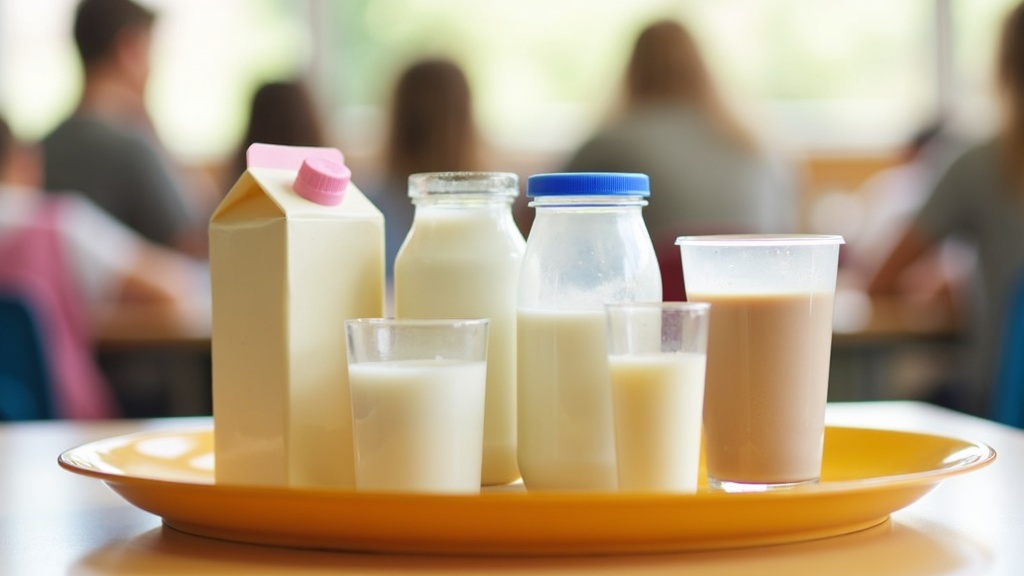
Milk has always played a big part in school cafeterias.
For decades, grabbing a carton or bottle of cow’s milk has pretty much been the norm at lunch.
But with more people raising concerns about nutrition, allergies, animal welfare, and environmental issues, schools are starting to look at what they serve.
Some say it’s time to ditch dairy and go all in on plantbased milk.
Others aren’t so sure that’s a good idea.
Here’s my take on whether schools should ban dairy and only offer plantbased milk alternatives to students.
The Role of Milk in Schools: Tradition and Change
For a long time, cow’s milk has been considered a healthy and reliable staple in school lunches across the US, Canada, the UK, and many other places.
It’s packed with calcium, protein, and vitamin D, so it’s been promoted as “good for growing kids.” Government programs like the USDA National School Lunch Program even require milk to be offered with meals.
Lately, though, things are changing. More kids are coming to school with dairy allergies, lactose intolerance, or vegan diets.
At the same time, plantbased milks like oat, soy, almond, and even pea protein are getting better and tastier, so the question is popping up: should schools stick to the old cow’s milk routine, or switch to plantbased only?
Understanding PlantBased Milk Alternatives
Plantbased milks have really taken off in the last decade.
There’s almond, soy, oat, rice, pea, coconut—the list keeps growing.
These drinks are made by soaking or blending plant foods, then straining the mixture to get a liquid that kind of looks, tastes, and acts like milk.
A lot of plantbased milks are fortified to have the same nutrients as cow’s milk, like calcium and vitamin D.
Some even have extra protein (especially soy or pea).
They’re naturally lactosefree, which is super useful for kids who can’t digest lactose or have allergies.
Of course, they work for vegans and others who avoid animal products for health, religious, or ethical reasons.
Arguments For Banning Dairy in Schools
Many people support taking dairy off school menus and making plantbased options the standard.
Here are some of the main arguments:
- Dairy allergies and lactose intolerance: A lot of kids have trouble with dairy; some estimates say up to 70 percent of people worldwide are lactose intolerant. Banning dairy could help these students avoid stomach aches or even more serious reactions.
- Animal welfare: Some parents and kids don’t want to support dairy farming because of how cows are treated. Plantbased milks remove animals from the equation, matching animal rights or vegan values.
- Environmental concerns: Dairy production uses up a lot of water and land, and it’s a big source of methane, a potent greenhouse gas. Plantbased milks usually have a much lower carbon footprint, so this switch could support ecofriendly school initiatives.
- Inclusivity and equity: Offering only plantbased milks would mean nobody feels left out because of allergies, religious rules, or dietary restrictions. Everyone gets the same thing at lunch.
Arguments Against Banning Dairy in Schools
Not everyone is on board with the idea of removing dairy from schools.
Here’s what people on the other side point out:
- Nutrition concerns: Dairy is naturally loaded with protein, calcium, and vitamin B12. These nutrients aren’t always as strong in plantbased milks unless you get the fortified stuff. Some nutrition experts worry that kids could miss out if they don’t get highquality nutrients from dairy.
- Cost and accessibility: Plantbased milks can be pricier, and sometimes they’re harder for schools to buy in bulk. Also, not every brand of plantbased milk is fortified or shelf stable, and allergies to things like nuts or soy are also on the rise.
- Taste preferences: Many kids actually like the taste of cow’s milk and might not drink plantbased substitutes, especially if they’re used to regular milk at home.
- Local dairy industry impact: Removing dairy from schools would have a major effect on local dairy farmers and businesses connected to them.
Things to Consider Before Making the Switch
Banning dairy and going plantbased sounds simple, but there are some tricky things to figure out first:
- Allergies and dietary needs: While plantbased milks solve the problem for lactose intolerant and vegan students, they can create new issues for kids with nut or soy allergies. Careful planning is needed to ensure alternatives are safe for everyone.
- Nutrition labeling: Not all plantbased milks are created equal. Some have added sugars or fewer nutrients. Schools would need guidelines making sure any alternatives are healthy and fortified.
- Student choice and autonomy: Taking away all dairy milk doesn’t give students any say. Providing both might be a better route for now, especially in diverse communities.
- Cost implications: Schools often have tight budgets. Some plantbased milks cost more or aren’t as easy to store. School food services would need funding and support to make a smooth transition.
Nutrition Facts: Comparing Dairy and PlantBased Milks
Here’s a basic breakdown comparing an 8 oz. serving of cow’s milk, fortified soy milk, and almond milk—numbers are averages and can change by brand:
- Cow’s milk: 8g protein, 300mg calcium, 12g sugar (natural), vitamin D, vitamin B12, potassium.
- Fortified soy milk: 7g protein, 300mg calcium, 6g sugar, vitamin D, vitamin B12, potassium.
- Almond milk (fortified): 1g protein, 300mg calcium, 0-7g sugar, vitamin D, often fewer calories.
So, soy milk is the closest to dairy in terms of protein.
Almond, oat, or rice are lower in protein but are often fortified with other nutrients.
Students with nut allergies, though, can’t have almond milk.
That’s why nutrition experts suggest picking unsweetened, fortified plant milks if dairy is off the table.
Some schools have started to experiment with pea protein milk, which is nutfree and comes closer to the nutrition profile of cow’s milk, adding more options for students with allergies.
It is crucial for cafeteria staff to regularly talk to parents and nutritionists to keep menus healthy and inclusive.
Diversity Among School Communities
Different communities have different needs and values.
In some areas, the majority may be lactose intolerant or have cultural traditions that don’t include dairy.
In others, local dairy farms are a big part of the economy and school menus.
It helps when school nutrition policies consider real student backgrounds, preferences, and health needs.
Practical Steps for Schools Thinking About a Switch
- Survey students and parents: Check in about allergies and preferences that exist in your school community.
- Work with dietitians: Make sure plantbased milks offered are unsweetened and fortified. Consider adding more protein rich options for students who rely on school lunches for nutrition.
- Start with choice: Offer both dairy and plantbased milks, track interest, and allow students to try different options. Some districts have run taste tests and collected feedback, helping them pick crowdpleasers and reduce waste.
- Educate students: Teach kids about nutrition and the reasons for any changes. When students know why something’s happening, they’re usually a lot more open to it. Include lessons on environmental impact and animal welfare as well.
- Evaluate the impact: Collect feedback, monitor waste, and tweak the approach as your school learns what works best. Stay open to adjusting the menu as new plantbased products hit the market that might suit your students’ needs even better.
Frequently Asked Questions
Question: Is plantbased milk as healthy as dairy milk for kids?
Answer:
Fortified soy milk is similar to dairy milk in protein and calcium.
Other options like oat or almond milk are usually lower in protein, but if they’re fortified with calcium and vitamin D, they can still be a good choice.
Choosing unsweetened versions helps keep sugar down.
Schools can boost nutrition by pairing milks with proteinrich foods like seeds, beans, or yogurt alternatives.
Question: Are plantbased milks safe for all students?
Answer:
Plantbased milks are safe for most students, but kids who are allergic to nuts or soy could have problems.
It’s really important for schools to consider food allergies when picking which plantbased milks to serve.
Some cafeterias label drinks clearly, so everyone can spot safe choices fast.
Question: Could banning dairy hurt students from families that rely on school milk for protein?
Answer:
Dairy milk is a solid protein source, especially for students who might not get enough elsewhere.
If schools switch to dairyfree, they should pick higher protein milks like soy and make sure meals as a whole are well balanced.
Tracking student health and getting feedback from families is important to make sure no one is missing out.
Question: Is it more expensive for schools to only serve plantbased milk?
Answer:
Sometimes it’s pricier to buy plant milks, especially if they’re organic or not available in large packaging.
Costs will vary by region and milk type, so schools may face higher expenses at first until suppliers adjust and demand balances out.
Strategic buying and partnerships with local producers can help keep prices stable.
Wrapping Up
Deciding whether to ban dairy and only serve plantbased milk in schools is not a simple yes or no decision.
There are health, ethical, cultural, and financial factors to consider, and what works in one district might not work in another.
Schools that make the switch thoughtfully, ask for student and parent feedback, and keep nutrition front and center are more likely to succeed.
Giving students access to both dairy and plantbased options—at least for now—offers a balanced first step while everyone figures out what works best for their community.
In the end, student health, inclusion, and community input should guide the way forward for school nutrition.