Getting enough iron is an important part of maintaining energy, focus, and overall health on a plant-based diet. While many people associate iron with red meat, there are plenty of plant-based foods that provide this essential mineral.
The key is knowing which foods contain iron and how to include them regularly in your meals. With the right approach, it is entirely possible to meet your iron needs while following a vegan or plant-based lifestyle.
Why Iron Matters on a Plant-Based Diet
Iron helps transport oxygen throughout the body and plays a vital role in energy production, cognitive function, and immune health.
Plant foods contain non-heme iron, which is absorbed less efficiently than the heme iron found in animal products. This means plant-based eaters should pay attention to both iron intake and absorption.
According to current recommendations, adult men generally require around 8 mg of iron per day, while women under 50 may require approximately 18 mg daily.
Understanding where to find iron-rich plant foods can make meeting these targets much easier.
Best Plant-Based Sources of Iron
Lentils and Beans
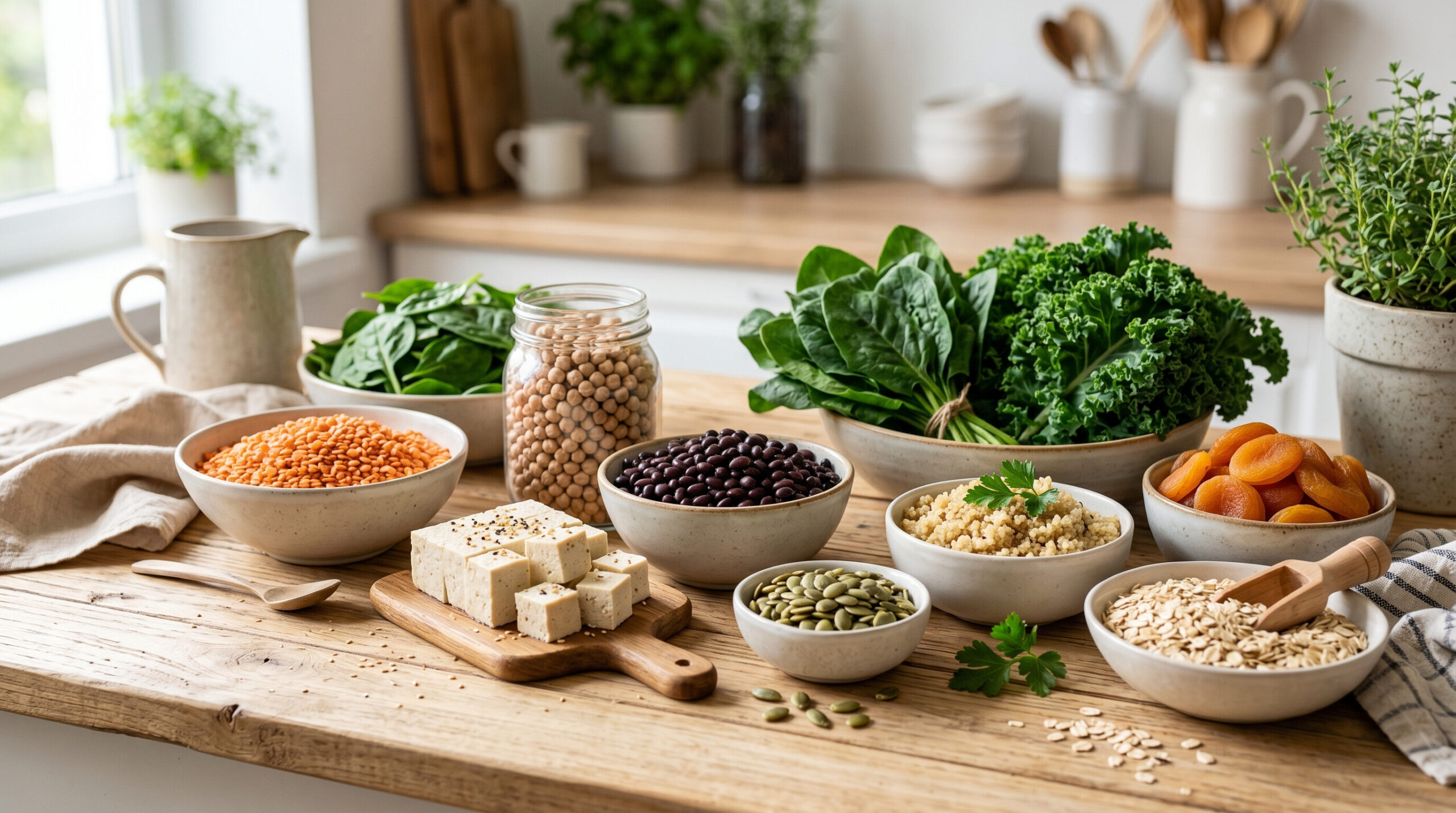
Lentils, chickpeas, black beans, and kidney beans are among the best plant-based sources of iron.
Benefits include:
- High iron content
- Excellent source of plant protein
- Rich in fibre
- Budget friendly
They work well in soups, stews, curries, salads, and grain bowls.
Tofu and Tempeh
Soy-based foods provide a valuable combination of iron and protein.
Both tofu and tempeh can be used in:
- Stir-fries
- Wraps
- Salads
- Grain bowls
Tempeh also offers the added benefit of fermentation, which may improve nutrient availability.
Pumpkin Seeds and Other Seeds
Seeds provide a concentrated source of iron and other important minerals.
Good options include:
- Pumpkin seeds
- Sesame seeds
- Hemp seeds
- Sunflower seeds
They can easily be added to oatmeal, salads, smoothies, or homemade trail mixes.
Leafy Green Vegetables
Dark leafy greens contribute iron alongside vitamins, minerals, and antioxidants.
Examples include:
- Spinach
- Kale
- Swiss chard
Cooking leafy greens can make it easier to consume larger amounts while reducing volume.
Quinoa
Quinoa is one of the most nutrient-dense grains available.
It provides:
- Iron
- Protein
- Fibre
- Magnesium
Its versatility makes it ideal for salads, side dishes, and meal preparation.
Whole Grains
Whole grains can make a meaningful contribution to daily iron intake.
Good choices include:
- Oats
- Brown rice
- Amaranth
- Wholegrain breads
Including a variety of grains helps support overall nutritional balance.
Dried Fruits
Dried fruits offer a convenient source of iron and can make excellent snacks.
Options include:
- Dried apricots
- Raisins
- Prunes
Pairing dried fruit with nuts or seeds creates a simple nutrient-rich snack.
Fortified Foods
Many breakfast cereals, plant milks, and nutritional yeast products are fortified with iron.
Always check food labels to understand how much iron is provided per serving.
How to Improve Iron Absorption
Getting enough iron is only part of the equation. Absorption matters too.
Pair Iron with Vitamin C
Vitamin C can significantly improve the absorption of non-heme iron.
Good sources include:
- Oranges
- Bell peppers
- Tomatoes
- Strawberries
- Kiwi fruit
- Broccoli
Simple pairings include:
- Lentils with tomatoes
- Spinach with lemon juice
- Beans with bell peppers
Avoid Tea and Coffee with Meals
Tea and coffee contain compounds that may reduce iron absorption.
Try consuming them at least one hour before or after meals.
Soak, Sprout, and Ferment
These preparation methods can reduce phytates, compounds that naturally limit iron absorption.
Cook with Cast Iron
Cooking acidic foods in cast iron cookware may slightly increase the iron content of meals.
Common Mistakes to Avoid
Relying on Low-Iron Vegetables
Vegetables such as lettuce, cucumber, and celery are healthy but contribute very little iron.
Forgetting Vitamin C
Iron-rich meals become more effective when paired with vitamin C-rich foods.
Lack of Variety
Relying on only one or two iron sources can make it harder to consistently meet your needs.
Taking Supplements Without Testing
Iron supplements should only be used when appropriate and ideally under professional guidance.
Easy Iron-Rich Meal Ideas
Breakfast
Oatmeal topped with pumpkin seeds, dried apricots, and berries.
Lunch
Lentil soup served with wholegrain bread and a side salad.
Snack
Trail mix containing pumpkin seeds, raisins, and cashews.
Dinner
Tofu stir-fry with broccoli, bell peppers, and quinoa.
These simple meals can help support healthy iron intake throughout the day.
Frequently Asked Questions
Can you get enough iron from plant foods alone?
Yes. A well-planned plant-based diet containing a variety of iron-rich foods can provide sufficient iron for most people.
How can I tell if I am low in iron?
Common signs include fatigue, poor concentration, dizziness, and feeling cold frequently. A blood test is the most reliable way to assess iron status.
Should everyone on a plant-based diet take iron supplements?
No. Supplements should only be considered when appropriate and ideally following professional advice and testing.
Final Thoughts
There are many excellent plant-based sources of iron, including legumes, tofu, seeds, leafy greens, whole grains, and fortified foods. Including a variety of these foods regularly can help support healthy iron levels and overall wellbeing.
Combining iron-rich foods with vitamin C-rich foods, while paying attention to absorption strategies, can make a significant difference. With a little planning and variety, meeting your iron needs on a plant-based diet is entirely achievable.